Lek-i-staden
A public-sector project with Västra Götalandsregionen, exploring how artistic and participatory methods can make urban space more inclusive and playful. I supported field research, co-creation, documentation and synthesis layer.
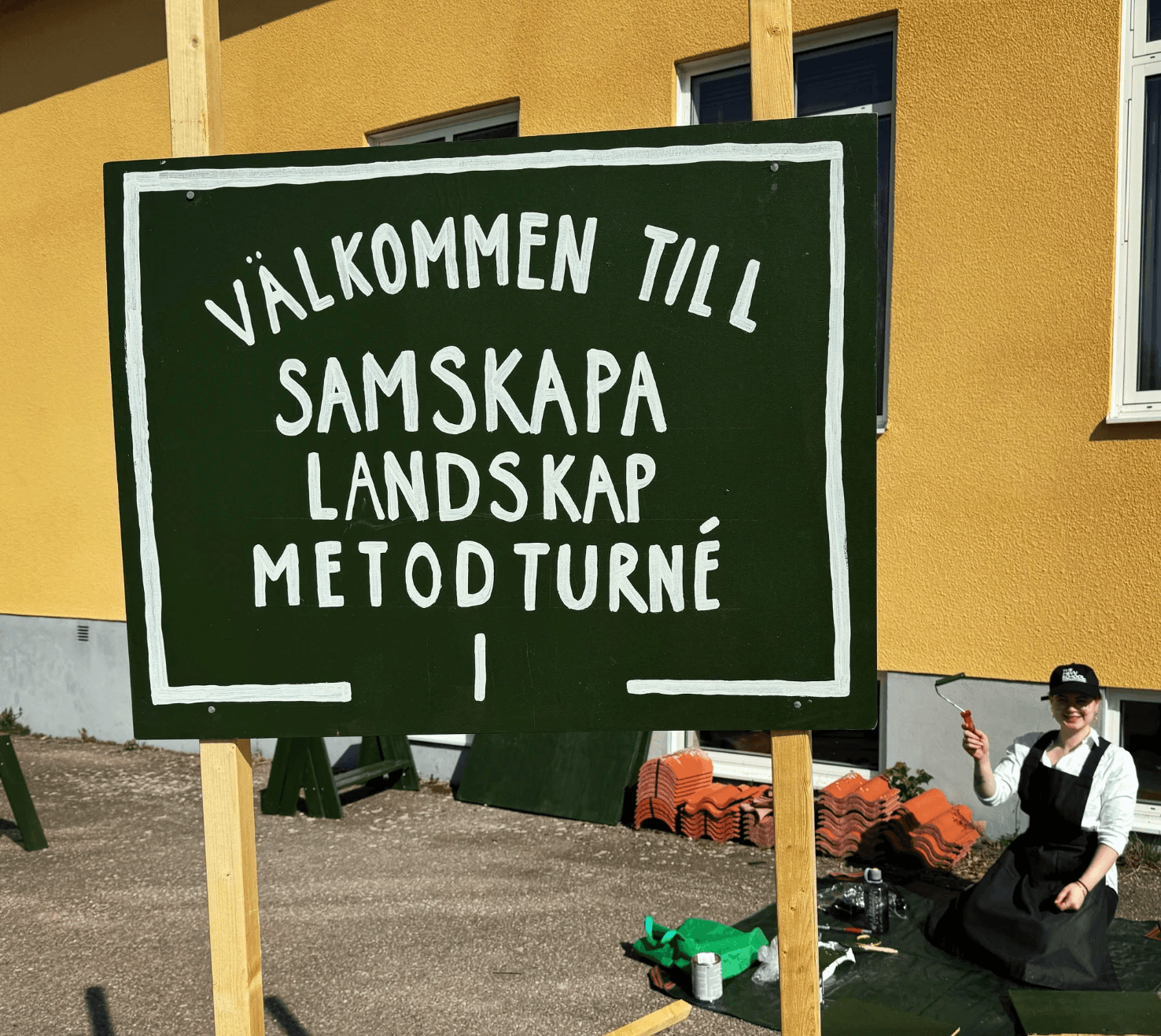
Role Research Assistant & Service Designer
Timeline Periodic collaboration across 12 months · 2024
Partners PhD researcher, Röhsska Museum, Form/Design Center, Not Quite Fengersfors
Project page vgregion.se — Lek i staden, Linnarhult
How I worked
Field research and community engagement · workshop and intervention documentation · interview and audio transcription · data mapping and synthesis support · visual and exhibition material
01 · The challenge
Most urban environments are designed around efficiency, movement and function. Very little in them makes room for creativity, recovery, play or social connection.
The research question was whether artistic methods and community-led participation could reactivate public space and build a stronger emotional connection between people and place.
The methodological question sat underneath it: how do you gather evidence when your participants are residents in a square rather than users in a session, and your findings need to convince a museum, a design centre, a regional authority and the neighbourhood itself?
02 · Approach
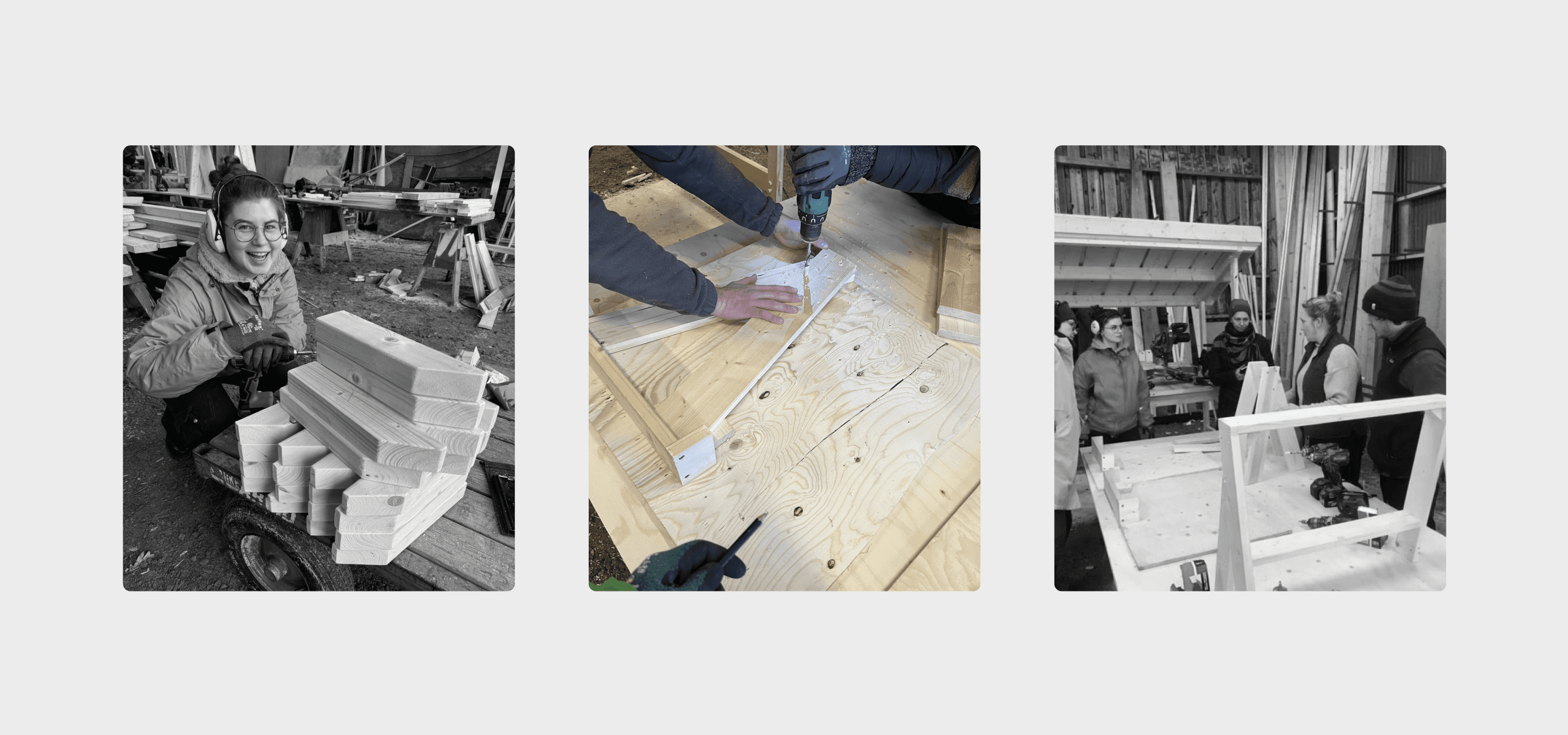
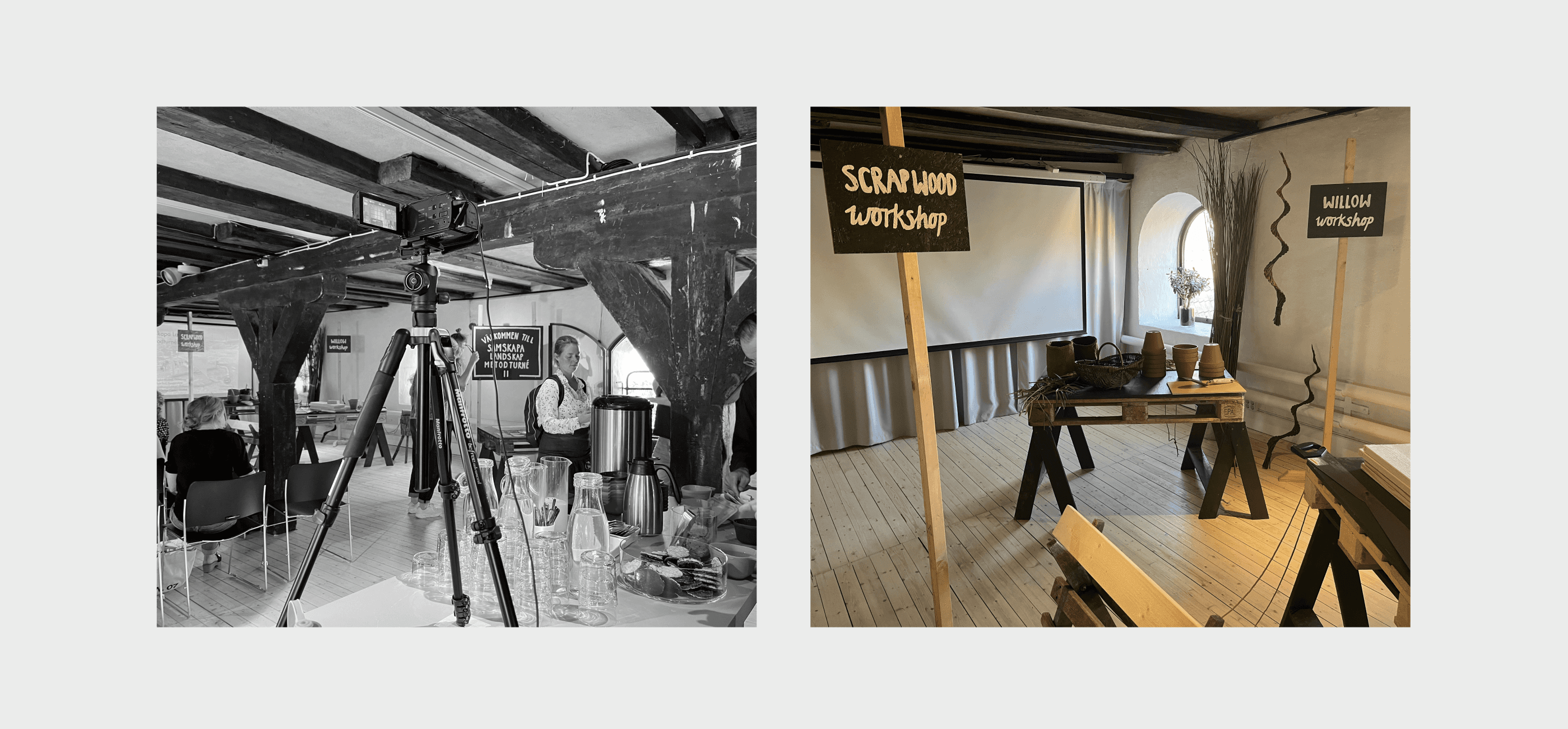
Research in the field, not the lab. I supported workshops and participatory sessions where residents, artists and stakeholders explored what a more inclusive public space could be. This is contextual inquiry with the context left switched on — people responding to a place while standing in it, which surfaces things no interview room produces. I helped capture insight from workshops, installations, talks and public interventions across the year.
Documentation as research infrastructure. Photo, video, field notes, transcription. I transcribed audio from interviews, talks and research sessions, and organised the material so it could be analysed rather than just archived. On a participatory project, the quality of your synthesis is capped by the quality of your capture — most of what people tell you happens once, in passing, and isn't repeatable.
Synthesis and data mapping. I contributed to mapping and synthesising the material into project learnings — finding the patterns across sessions, participants and interventions, and holding onto what was specific rather than flattening it into generalities.
Making findings usable. I created graphic and visual material for workshops, communication and exhibition contexts, and supported the exhibition design itself. Qualitative research only changes anything if the people who make decisions can absorb it, and this project had four different audiences — public, researchers, cultural institutions, regional stakeholders — each needing the same insight in a different form.

03 · Result
Supported four workshop installations and talks across the year
Documented artistic interventions and community co-creation sessions
Contributed research material used in exhibitions and stakeholder communication
Translated qualitative insight into accessible visual formats for mixed audiences
Helped demonstrate how play and artistic methods support inclusion, recovery and social connection in public space

Takeaways
Participatory research is the deep end of user research. No screener, no script, no recruitment funnel — people participate because something in the space interested them. Reading that honestly is a discipline I now bring to product work.
Capture quality sets the ceiling on insight. Everything I could later say about what residents wanted depended on how carefully the moment was recorded when it happened.
Findings need a designed output. The research didn't land because it was rigorous; it landed because it was made legible — as graphics, as exhibition, as story. That translation step is design work, and it's the same step between a research readout and a product decision.
Skills
Service design research · Co-creation · Community engagement · Contextual inquiry · Facilitation support · Qualitative documentation · Transcription · Research synthesis · Data mapping · Visual communication · Exhibition design support · Public-sector design · Stakeholder collaboration